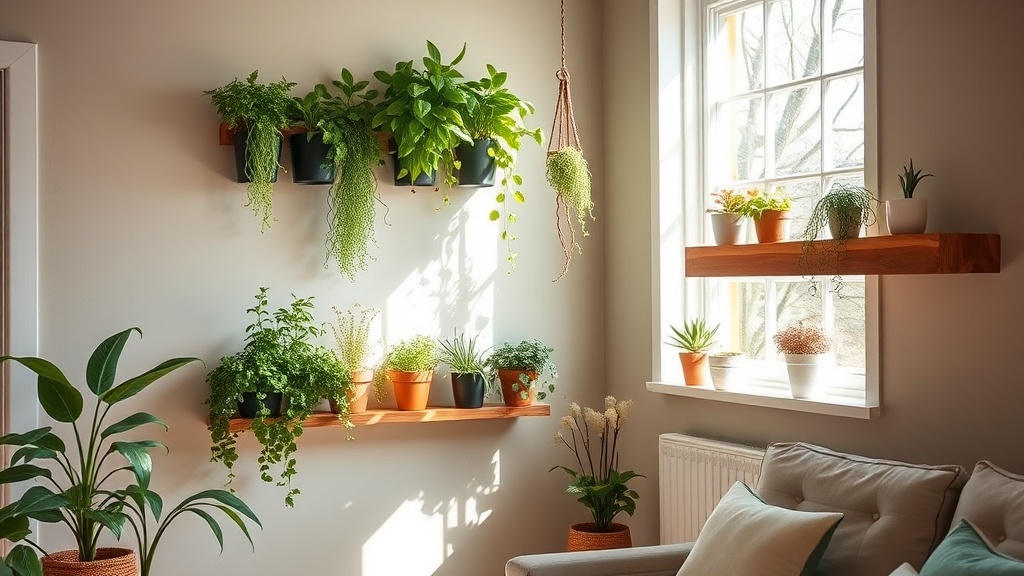
Spring Refresh: Low‑Cost Biophilic Design Ideas for 2026

Hook:
Ever walked into a room and felt instantly calmer, like the outdoors slipped in through the window? That’s the power of biophilic design—bringing nature’s vibe inside without breaking the bank. I’m here to cut through the fluff and give you straightforward, low‑cost steps to make your home breathe.
Context:
Spring is here, daylight‑saving has handed us extra evening light, and a recent lifestyle report shows indoor plant sales are up 22% in Q1 2026. Homeowners are hungry for ways to refresh their space, but the hype‑filled “green walls” market can feel overwhelming. I’ll show you how to integrate living walls, herb kits, and natural materials into any room.
What Is Biophilic Design and Why Does It Matter?
Biophilic design is the practice of integrating natural elements—plants, wood, water, light—into built environments. It’s not a trend; it’s a science‑backed approach that improves mood, reduces stress, and can even filter indoor air. A Harvard Health Publishing study found that people with indoor plants reported 15% lower stress levels and better concentration (Harvard Health, 2024).
How Can I Start a Simple Indoor Garden on a Budget?
1. Which Plants Give the Biggest Bang for Your Buck?
- Pothos (Epipremnum aureum): Hardy, tolerates low light, and trails beautifully.
- Spider Plant (Chlorophytum comosum): Easy propagation, air‑purifying.
- Herb Kits (Basil, Mint, Parsley): Dual purpose—fresh flavor and greenery.
- ZZ Plant (Zamioculcas zamiifolia): Near‑indestructible, great for dim corners.
I started a pothos cascade on a reclaimed bookshelf in my home office last winter. Within weeks, the space felt less “cubicle‑y” and more lived‑in.
2. How Do I Build a DIY Living Wall Without a Professional Kit?
- Gather Materials: Reclaimed wooden pallet, metal brackets, landscape fabric, potting soil, and your chosen plants.
- Prep the Pallet: Sand rough edges, attach brackets to the wall studs, and line the back with landscape fabric.
- Plant Strategically: Place taller vines at the bottom, trailing ones at the top for visual flow.
- Water Wisely: Use a drip‑irrigation hose or a simple spray bottle; over‑watering is the most common mistake.
3. Where Can I Add Natural Materials for Instant Impact?
- Wooden Shelves: Swap generic metal shelves for reclaimed wood; the grain adds texture.
- Stone Coasters & River Rocks: Use them on coffee tables or as a base for small pots.
- Natural Fiber Rugs: Jute or sisal rugs soften hard flooring and echo outdoor vibes.
How Do I Keep My Indoor Garden Low‑Maintenance?
- Choose Low‑Light Tolerant Species: Saves on electricity for grow lights.
- Use Self‑Watering Pots: Reduces daily watering chores.
- Group Plants by Water Needs: Keeps your schedule simple—water once a week for most.
I once tried a high‑tech hydroponic system for my kitchen herbs. It was cool, but the pump failed after a month, and I spent more time troubleshooting than cooking.
What Are the Real Health Benefits?
- Air Quality: NASA’s Clean Air Study (1999) showed that spider plants and pothos can remove formaldehyde and benzene from indoor air.
- Mood Boost: A 2023 meta‑analysis of 12 studies linked indoor greenery to a 12% increase in self‑reported well‑being.
- Productivity: Offices with plants saw a 7% rise in task completion speed (Harvard Business Review, 2022).
How Can I Leverage Extra Evening Light After Daylight‑Saving?
- Place Plants Near Windows: The extra hour of sunlight helps photosynthesis, especially for herbs.
- Use Light‑Reflecting Surfaces: Light‑colored walls bounce more light onto your foliage.
- Rotate Plants Seasonally: Move sun‑loving plants to the brightest spot in summer, and shift shade‑tolerant ones to deeper corners in winter.
What Are Common Mistakes to Avoid?
- Over‑watering: Soil should be moist, not soggy. Stick a finger 1‑2 cm deep—if it feels dry, water.
- Ignoring Drainage: Always add a layer of gravel at the bottom of pots.
- Choosing Too‑Large Plants: They’ll outgrow the space quickly and become a hassle.
Takeaway: Your No‑Hype Spring Refresh Checklist
- Pick hardy, low‑light plants (pothos, spider plant, herbs).
- Build a DIY living wall with a reclaimed pallet.
- Add natural textures—wood, stone, fiber rugs.
- Use self‑watering containers to keep maintenance low.
- Position plants to maximize the extra daylight.
Ready to give your home a breath of fresh air? Start with one shelf, one pot, and watch the vibe change.
Related Reading
- Spring Cleaning the No‑Hype Way: Low‑Cost Eco Routines – My take on decluttering without the buzzwords.
- Daylight Saving Time 2026: Reset Your Circadian Rhythm – How to use the longer evenings for health.
- Embracing Bio‑Harmony: Sync Lifestyle with Your Circadian Clock – The science behind aligning home environments with natural cycles.
<meta.faqs>
[
{"question": "What is biophilic design?", "answer": "Biophilic design integrates natural elements like plants, wood, and light into indoor spaces to improve well‑being and air quality."},
{"question": "How do I start an indoor garden on a budget?", "answer": "Choose hardy, low‑light plants, use reclaimed materials for a DIY living wall, and opt for self‑watering pots to keep costs down."},
{"question": "Do indoor plants really improve air quality?", "answer": "Yes. NASA’s Clean Air Study shows plants like spider plant and pothos can remove common indoor pollutants such as formaldehyde."}
]
</meta.faqs>