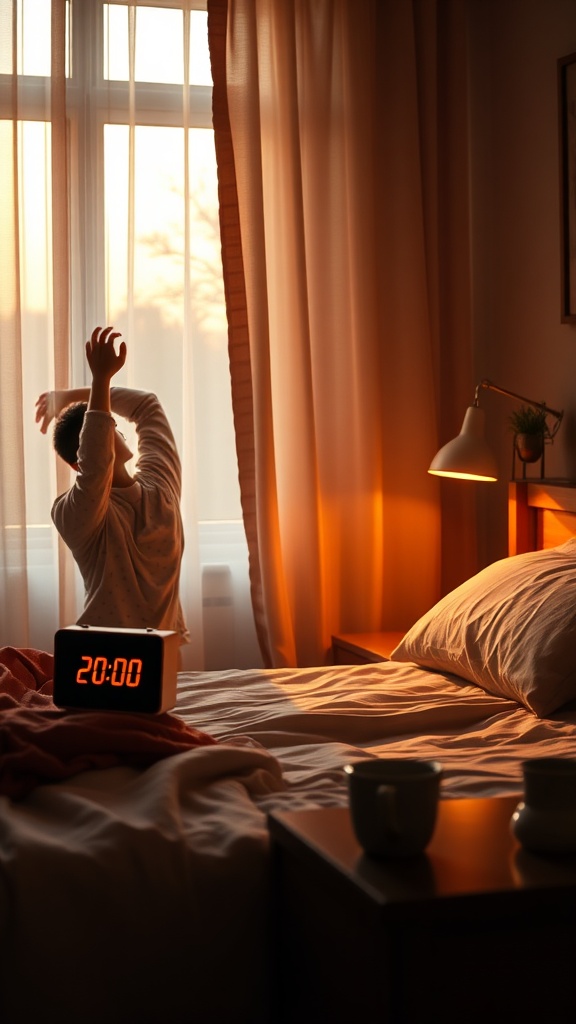
Reset Your Circadian Rhythm After DST 2026: 5 Practical Steps

Why the DST Shift Throws Your Sleep Off‑Balance
When the clocks jump forward this March, most of us lose an hour of sleep. The immediate grogginess is obvious, but the real issue is a mis‑aligned circadian rhythm – the internal clock that governs everything from alertness to hormone release. As someone who’s spent a decade untangling logistics bottlenecks, I know that a system that’s out of sync can’t run efficiently. The same principle applies to your body.
What Is a Circadian Rhythm, Anyway?
Think of it as the "plumbing" of your sleep‑wake cycle. Light hits the retina, sends a signal to the suprachiasmatic nucleus, and that nucleus tells the pineal gland when to crank out melatonin. When daylight saving time (DST) pushes the clock ahead, the light‑signal timing gets scrambled, and melatonin shows up at the wrong hour.
5 Practical Steps to Get Your Internal Clock Back on Track
1. Shift Light Exposure One Hour Earlier, Night Before
Start exposing yourself to bright, blue‑rich light about an hour before you’d normally do. I keep a simple sunrise‑simulation lamp on my desk and turn it on at 6 am instead of 7 am. The light cue tells your brain “hey, it’s morning now.”
2. Delay Evening Light, Not Just the Alarm
In the evening, dim the lights and switch off screens at least 30 minutes earlier. If you can’t, throw on a pair of blue‑light‑blocking glasses. The goal is to let melatonin rise naturally around the new bedtime.
3. Adjust Your Meal Timing
Food is another time cue. Eat dinner about an hour earlier than usual, and keep caffeine after 2 pm to a minimum. I’ve found that a light protein‑rich snack (Greek yogurt, a handful of nuts) around 8 pm helps smooth the transition.
4. Take a Short Power Nap (If Needed)
One 20‑minute nap before 2 pm can offset the lost hour without jeopardizing nighttime sleep. Anything longer risks deeper sleep stages and makes you groggier later.
5. Stick to a Consistent Wake‑Time for a Week
Even if you feel tired, get up at the same time each morning for at least seven days. Consistency is the ultimate “no‑hype” fix – the body will re‑calibrate its plumbing faster than you think.
Bonus: Quick Checklist
- 📅 Set alarm for the new wake‑time tonight.
- 💡 Turn on sunrise lamp at the new wake‑time tomorrow.
- 🕯️ Dim lights by 9 pm, no screens after 8:30 pm.
- ☕ Limit caffeine after 2 pm.
- 🥣 Eat dinner by 7 pm, light snack at 8 pm if needed.
- ⏱️ Optional 20‑min nap before 2 pm.
Takeaway
DST doesn’t have to be a week‑long productivity slump. By treating your sleep schedule like any other system – give it the right inputs, keep the outputs consistent, and watch the “signal, sans the noise” emerge. Reset your circadian rhythm with these five steps, and you’ll be back to full‑speed focus before the next coffee break.
For a deeper dive into how DST affects sleep, see our earlier post Daylight Saving Time 2026: Reset Your Circadian Rhythm. It covers the science in more detail.
Steps
- 1
Shift Light Exposure One Hour Earlier
Turn on a bright, blue‑rich sunrise‑simulation lamp about an hour before your usual wake‑time. The early light cue tells your brain it’s morning, nudging the circadian clock forward.
- 2
Delay Evening Light and Screen Time
Dim lights and shut off screens at least 30 minutes before your new bedtime. If you need to stay on devices, wear blue‑light‑blocking glasses to keep melatonin on schedule.