
Practical AI Integration for Mid-Career Professionals: Navigating the Reality Behind the Hype

Artificial Intelligence promises efficiency, predictive power, and automation. But for mid-career professionals navigating real-world workflows, the reality is often less shiny than press releases suggest. Let’s pull the thread on AI in the enterprise—especially in sectors where a missed integration can cost millions on a Monday morning.

The first question to ask isn’t how fast the AI runs, but whether it actually improves the plumbing of your daily workflow. A robust system must integrate with existing tools, avoid hidden costs, and remain transparent enough for meaningful decision-making. Many AI deployments fail because these factors are ignored in favor of flashy metrics.

Token costs, latency, and maintenance schedules are the silent killers of promised productivity gains. The reality? Without careful assessment, a supposedly smart automation may be more expensive in staff time than the previous manual process. Follow the incentive structure: if a vendor can’t show a clear ROI beyond marketing slides, that’s your first warning sign.

Beyond cost, accessibility is often overlooked. If an AI tool requires rare skill sets or proprietary platforms, it effectively locks knowledge away. The 'so what' is simple: technology is only valuable if it is usable by the team expected to operate it. Mid-career professionals need clarity, not complexity masked as innovation.

Longevity matters. AI systems evolve, but your business processes have a pace and a budget that may not match that evolution. When evaluating tools, consider repairability and support. Can the model be updated in-house? Can staff handle minor errors without waiting for a vendor ticket? If not, the AI is a liability, not an asset.

The Impact Scorecard provides a structured lens: Accessibility, Utility, and Longevity. Applying this to AI adoption exposes the 'plumbing issues' often hidden behind press hype. Accessibility measures skill and platform requirements. Utility measures real-world workflow improvement. Longevity measures maintainability and upgrade feasibility. The closer a tool scores to 10 across these categories, the more likely it will survive beyond the boardroom presentation.
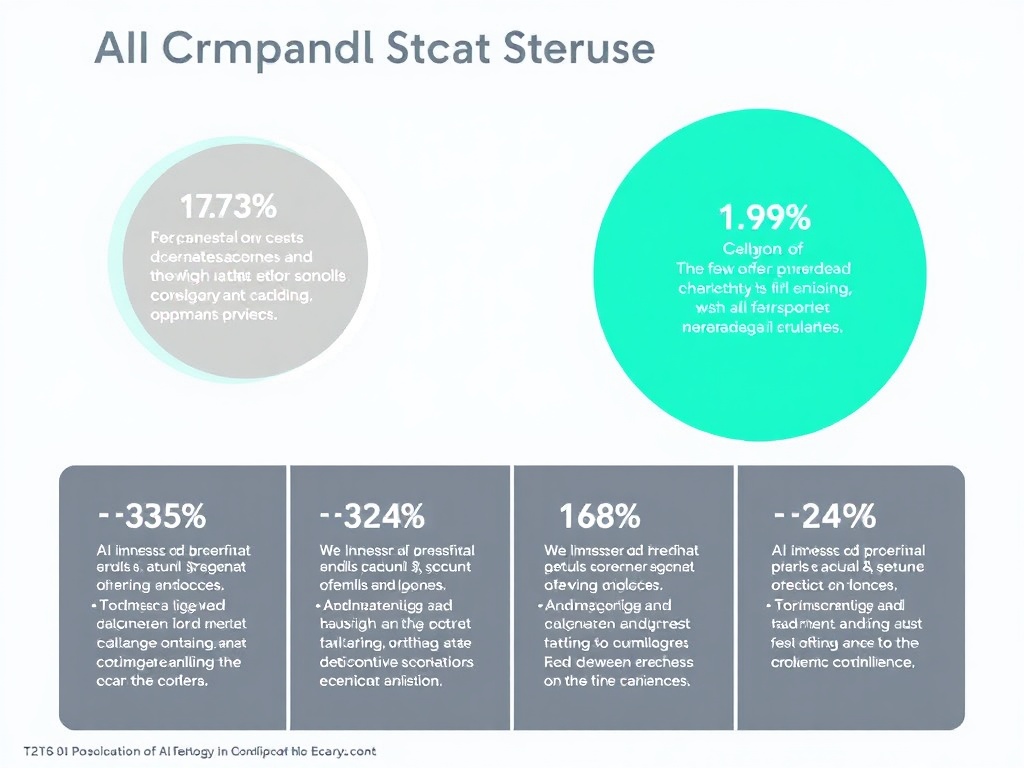
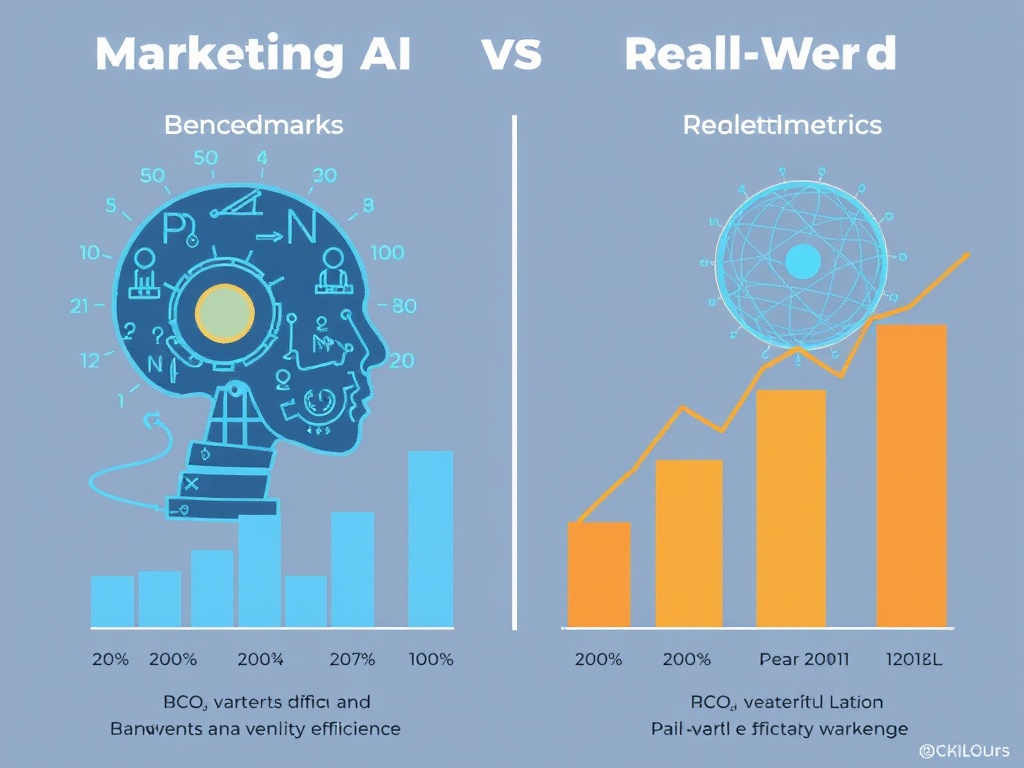
So what about AI hype like LLMs for internal reports? Benchmarks may look impressive, but the practical plumbing—how the system interacts with internal databases, triggers workflow exceptions, or maintains security—is what actually determines impact. Follow the incentives: vendors highlight metrics favorable to adoption, not necessarily the metrics that correlate with reduced errors or cost savings.
Case studies are illuminating. In logistics, AI-assisted route optimization sometimes adds complexity that staff must navigate manually due to incomplete data integration. The 'so what': even technically impressive models can introduce more friction than they remove. The question isn’t whether AI can plan a route—it’s whether the route can actually be executed efficiently in your warehouse context.

Step-by-step, the adoption process should focus on alignment with core workflows. Identify bottlenecks, evaluate AI solutions against existing processes, and pilot integrations incrementally. Avoid full-scale rollouts without measurable benchmarks. Mid-career professionals benefit most from clear translation: what will change, who will need training, and what new maintenance responsibilities arise.
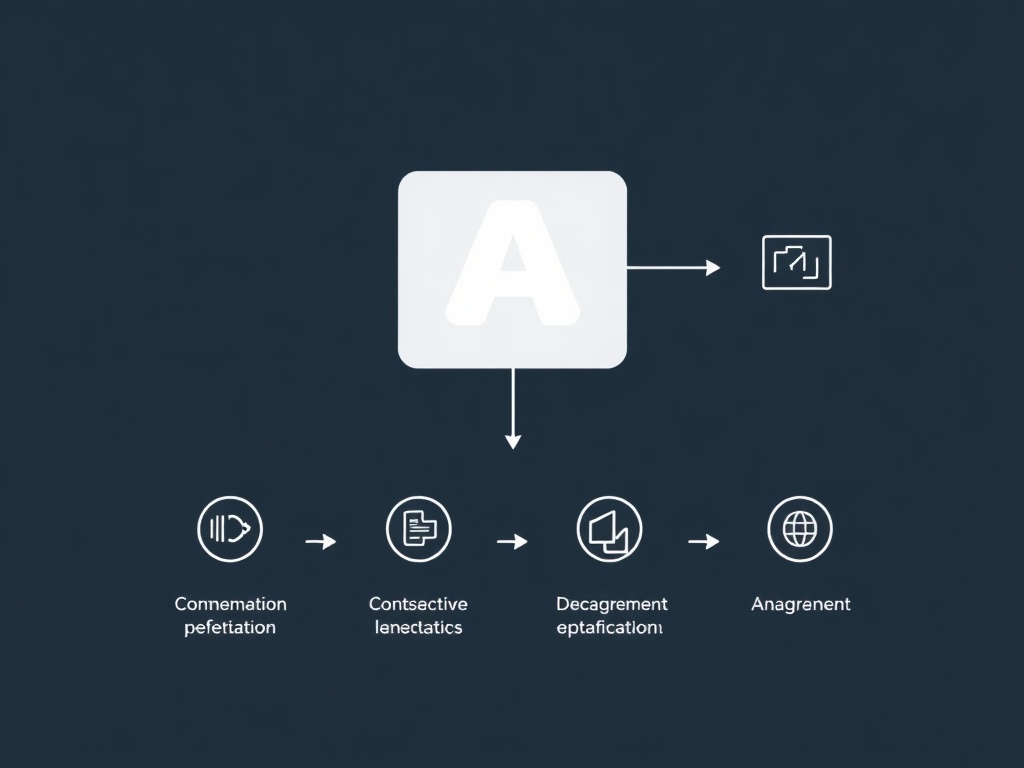
Finally, a realistic expectation is critical. AI will not replace judgment or experience overnight. Systems augment decision-making, but they do not replace the human element. For mid-career professionals, understanding the limits is as important as measuring gains. So what? Those who master the plumbing—not the press hype—gain an edge in productivity and workflow resilience.

In conclusion, AI for mid-career professionals requires a plumbing-first approach: evaluate Accessibility, Utility, and Longevity, follow the incentive structure, and integrate incrementally. The tools that survive scrutiny are the ones that truly add value, not those marketed as the next "workforce revolution."