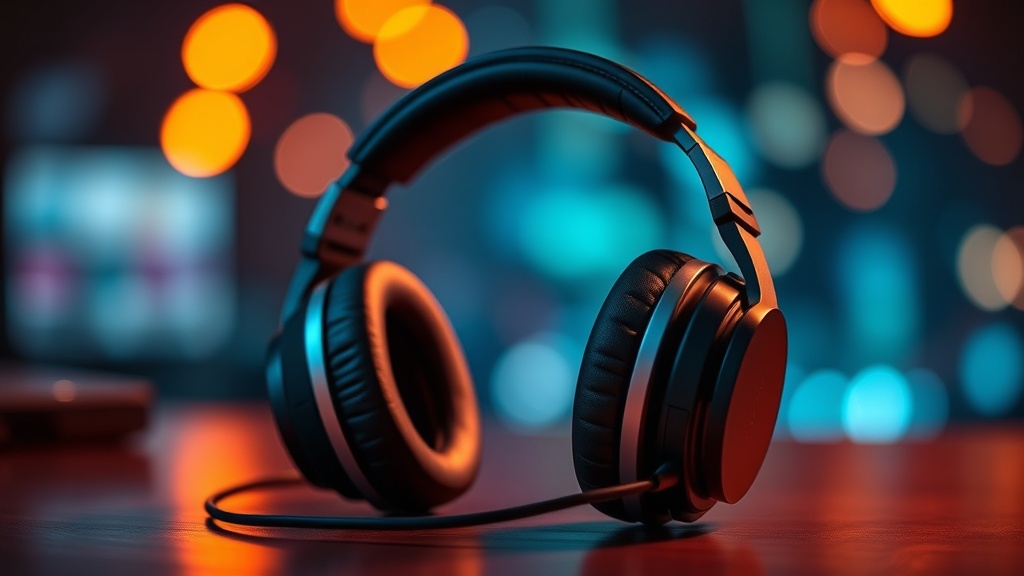
Noise Canceling Headphones: Are You Paying for Silence or Just Marketing?

The Cost of Silence
The average person spends roughly 3,000 hours a year in noisy environments—offices, commutes, or even just a loud home. High-end Active Noise Cancellation (ANC) technology claims to reclaim those hours by using microphones to pick up ambient sound and producing an inverted wave to cancel it out. But here is the problem: most marketing focuses on the decibel reduction numbers rather than the actual quality of the experience. A high number doesn't mean much if the headphones give you a headache or make your music sound like it's playing through a tin can.
I've spent enough time on warehouse floors to know that true isolation isn't just about volume; it's about frequency. If a pair of headphones can kill the low-end drone of an airplane engine but fails to stop the high-pitched screech of a nearby coffee grinder, they aren't doing their job. We're looking at the hardware that actually survives the real world, not just the shiny brochures.
Which ANC Headphones Actually Work in Real Life?
When you're looking at a spec sheet, don't get distracted by the "dB reduction" figures. Most consumer-grade ANC is great at constant, low-frequency noise (think jet engines or air conditioning units) but struggles with unpredictable, mid-to-high frequency sounds (like human speech or a barking dog). If you want gear that holds up, you need to look at how the hardware handles the variable stuff.
- The Constant Drone Specialist: Best for frequent flyers. These use heavy-duty processors to maintain a steady vacuum-like silence.
- The Hybrid Performer: Good for office workers. These balance noise reduction with transparency modes so you don't get startled by a coworker walking up behind you.
- The Budget Contender: Often uses passive isolation (the physical seal) more than active tech. Good for those who don't want to spend $400 just to hear nothing.
A major issue with cheaper ANC sets is the "cabin pressure" sensation. Some users report a feeling of pressure in the inner ear when the ANC is engaged. This happens because the brain senses the lack of low-frequency sound and misinterprets it as a change in atmospheric pressure. It's not a defect; it's a side effect of how the algorithm is fighting the environment.
Is High-End ANC Worth the Extra Money?
Is it worth spending $500 when a $100 pair gets the job done? Usually, the answer is no—unless you are a professional traveler. The difference between a mid-tier pair and a flagship model isn't just the volume of noise they block; it's the quality of the sound that remains. High-end models have better DACs (Digital-to-Analog Converters) and more sophisticated algorithms that prevent the music from sounding flat or compressed when the ANC is turned on.
If you check the technical documentation from manufacturers like Sony or Bose, you'll see they spend a lot of money on the proprietary chips that drive these processes. A cheaper chip might kill the noise, but it might also introduce a hiss or a slight hum in the background. That's the "noise floor," and it's the enemy of a good listening experience. If you're sitting in a quiet room, you'll notice it immediately.
| Feature | Mid-Range ANC | Flagship ANC |
|---|---|---|
| Primary Use | Commuting/Office | Long-haul Flights/Studio |
| Noise Profile | Good for drones | Excellent for speech/clatter |
| Sound Quality | Slightly compromised | Maintains high fidelity |
| Battery Life | 15-25 Hours | 30-40+ Hours |
Don't buy into the hype that more features equal better performance. A lot of "smart" features—like touch controls that are too sensitive or apps that require constant connectivity—are just more ways for the tech to fail. A solid, physical button is often more reliable than a touch-sensitive surface when your hands are sweaty or you're wearing gloves.
How to Choose the Right Fit for Your Ears?
The most advanced ANC in the world is useless if the seal isn't perfect. If there is even a tiny gap between the headphone cushion and your skin, the high-frequency noise will leak right in. This is called "passive isolation leakage." You can have the best software in the world, but if the physical fit is bad, the ANC will struggle to compensate.
I always suggest trying on a pair before committing. If you have a smaller head or much larger ears, the standard design might not work for you. Look for replaceable ear pads and check if the headband tension is adjustable. You want a seal that feels secure but doesn't feel like a vice grip after twenty minutes. If it hurts, you won't wear it. If you won't wear it, the technology is useless.
One last thing: watch out for the "Transparency Mode" trap. Many brands promote this as a way to stay aware of your surroundings, but in many models, it sounds artificial and robotic. It's meant to be a temporary tool, not a permanent state. If you find yourself needing to use it constantly, your headphones' primary job—blocking noise—is failing you.