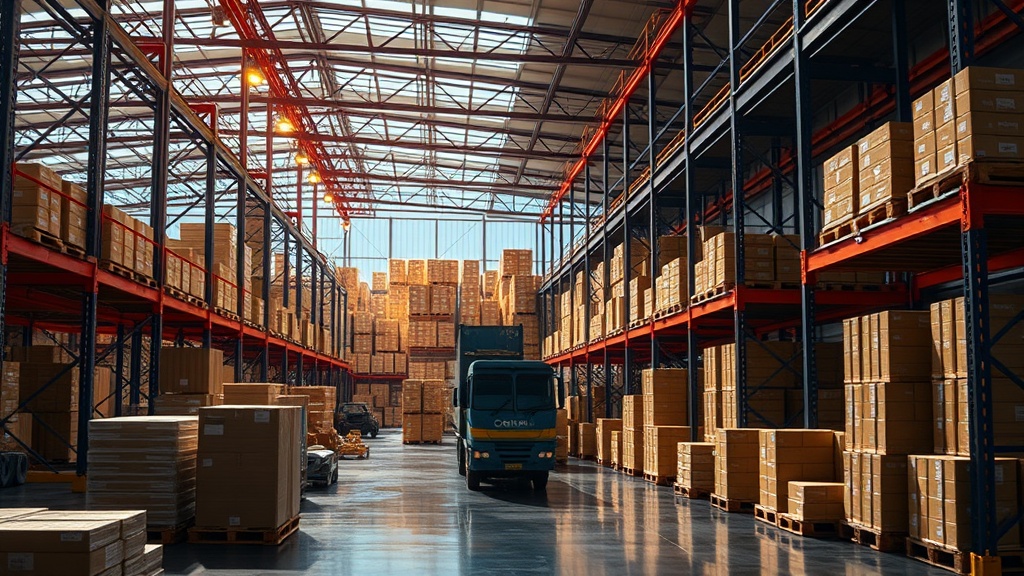
How to Set Up a Scalable Logistics System: A Step-by-Step Guide

Introduction
Setting up a scalable logistics system is crucial for businesses aiming to grow and optimize their supply chain. Whether you're a startup looking to expand your reach or an established company needing to streamline operations, this guide will walk you through the essential steps. We'll cover everything from understanding your needs to implementing technology that integrates seamlessly with your existing workflows.
Step 1: Assess Your Current Logistics Setup
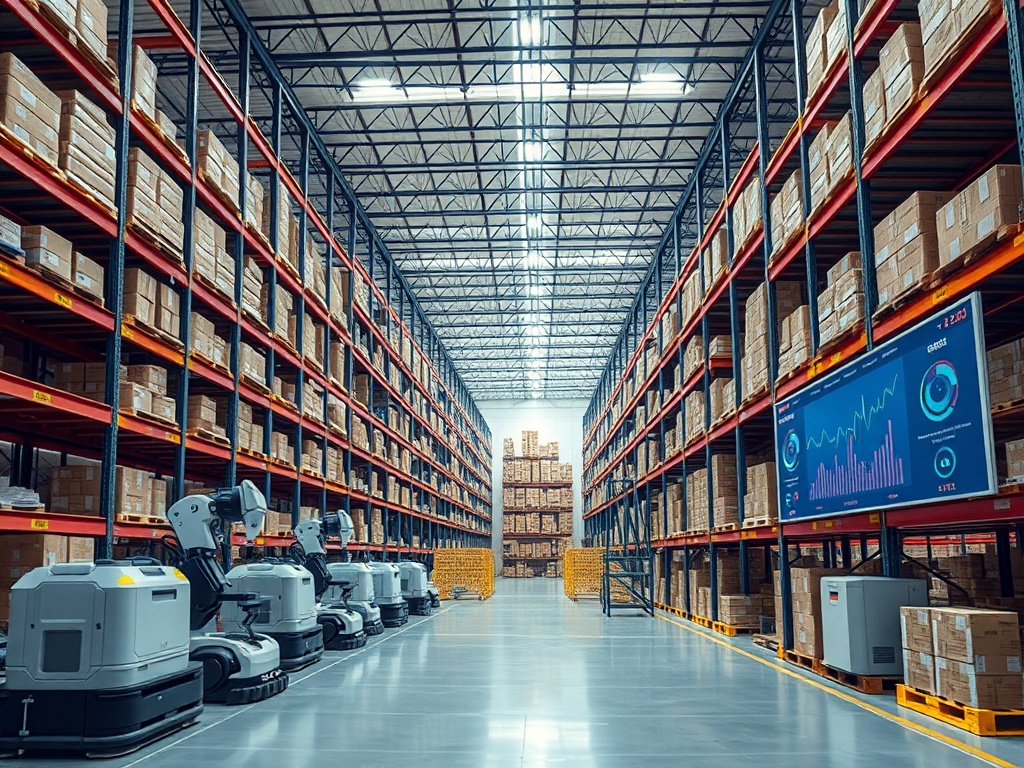
Before diving into any changes, it's critical to understand your current logistics framework. This includes evaluating your existing processes, equipment, and team. Key considerations should include:
- Current capacity and throughput
- Technology used for inventory management
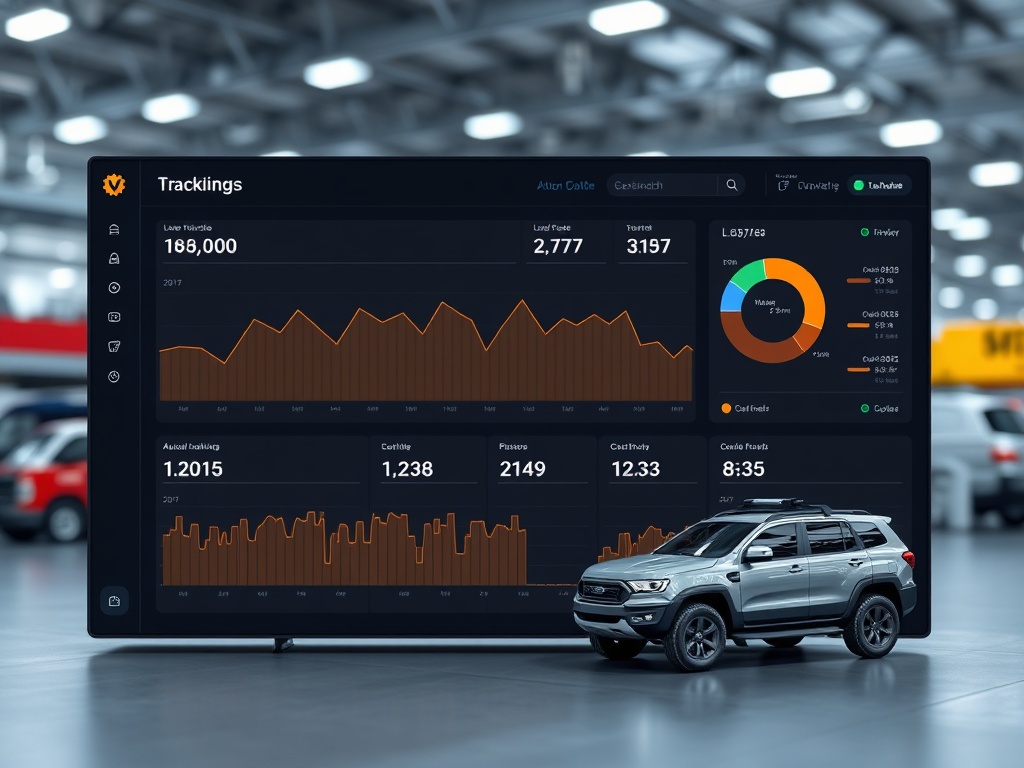
- Supply chain visibility and tracking
- Storage and warehousing efficiency
Identifying areas for improvement will help you tailor your new system to your specific needs.
Step 2: Define Your Growth and Scalability Goals
Scalability is a critical factor in logistics. Without a clear vision of your growth goals, your logistics system could outgrow your capacity, resulting in bottlenecks and inefficiencies. Consider:
- Projected growth rate and product demand
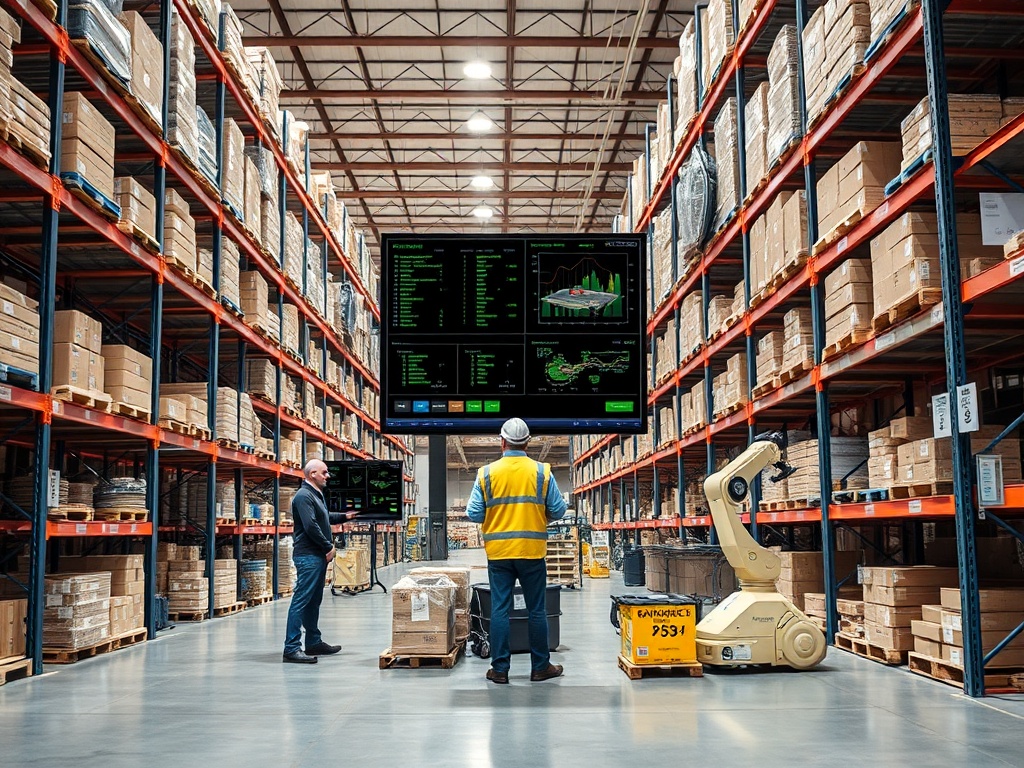
- Future technology adoption (e.g., automation, robotics)
- Expansion into new markets
Planning for scalability ensures that your logistics infrastructure can adapt to changes and accommodate growth without sacrificing efficiency.

Step 3: Choose the Right Technology
Technology is the backbone of any modern logistics system. It's essential to choose tools that can scale with your business and integrate seamlessly into your existing processes. Key technology solutions include:
- Warehouse Management Systems (WMS)
- Enterprise Resource Planning (ERP) software
- Automation tools (e.g., drones, autonomous vehicles)
- IoT sensors for tracking goods in real time
Choose technology that enhances visibility, improves productivity, and minimizes downtime.
Step 4: Train Your Team
No logistics system will be effective without a trained team to operate it. Training should focus on:
- Using new technology and software tools
- Understanding updated workflows and processes
- Improving communication within the team
Ongoing training ensures that your team can adapt to the new system and continuously improve operational efficiency.

Step 5: Implement Automation
Automation can drastically reduce human error and increase efficiency. Some of the most impactful areas for automation in logistics include:
- Order picking and packing
- Inventory management
- Last-mile delivery
Integrating automation into your logistics system will help you scale quickly while reducing operational costs.

Step 6: Monitor and Optimize Your System
Once your scalable logistics system is in place, continuous monitoring and optimization are necessary to ensure long-term success. Focus on:
- Real-time data tracking and analysis
- Identifying bottlenecks and inefficiencies
- Adapting to changes in the market and consumer demand
Regular audits and adjustments will ensure your logistics system remains efficient and effective.

Conclusion
Setting up a scalable logistics system requires careful planning, technology adoption, and team coordination. By following these steps, you can create a robust system that grows with your business, reduces inefficiencies, and enhances customer satisfaction. Remember, scalability isn't just about handling more goods—it's about doing it in a smarter, more efficient way.