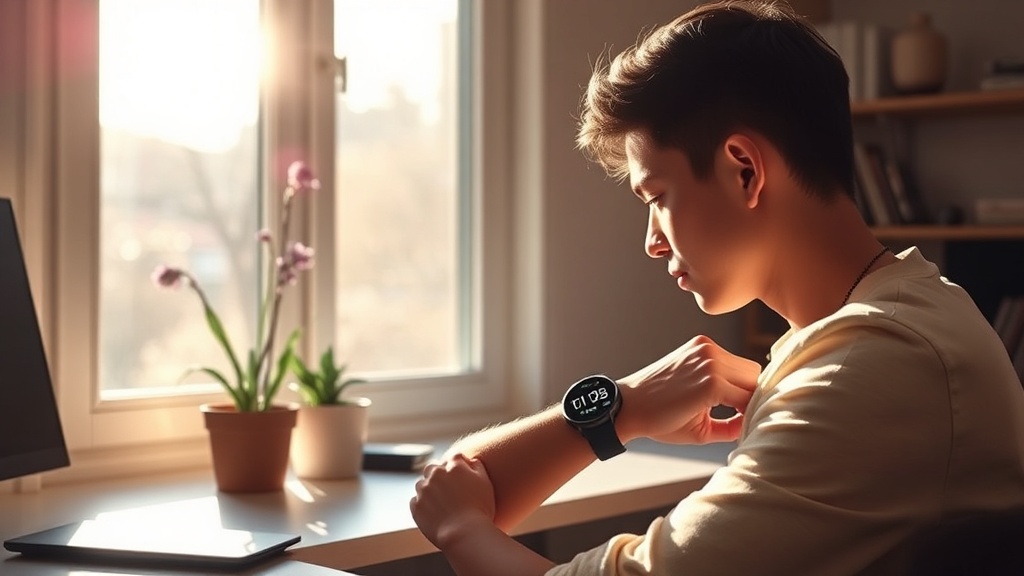
Embracing Bio-Harmony: Sync Lifestyle with Your Circadian Clock

Why does a simple light switch feel like a life hack?
Hook: Imagine waking up feeling refreshed, hitting the gym with laser‑focus, and still having the energy to enjoy a sunny brunch—all without a single cup of coffee. That’s the promise of bio‑harmony, the practice of aligning your daily routine with your body’s circadian rhythm.
What’s the big deal with circadian rhythm in 2026?
Scientists are finally moving past the vague wellness buzz and putting concrete numbers behind it. A 2025 study from the Nature Communications linked a well‑tuned circadian schedule to a 12% reduction in chronic inflammation and a 9% boost in cognitive performance. In other words, syncing your internal clock can make you healthier and more productive—exactly the kind of ROI we love to see in logistics and AI projects.
How can I start syncing my life with the sun?
Below are five practical, low‑tech moves you can adopt this spring. Each step is framed as a question because that’s how you’ll naturally search for answers.
1. When should I let natural light in?
Morning light is the most powerful cue for resetting your circadian master clock. Open your blinds within the first 30‑45 minutes after sunrise and spend at least 10 minutes in bright, blue‑rich light. If you work from home, position your desk near a window or invest in a full‑spectrum lamp for cloudy days.
2. How does meal timing affect my rhythm?
Eating too late throws off the liver’s night‑time detox cycle. Aim for your last substantial meal by 7 p.m.. If you need a snack after that, keep it light—think a handful of nuts or a piece of fruit. This aligns with the 2024 NIH review that shows late‑night eating can delay melatonin production by up to two hours.
3. What’s the ideal sleep window for a spring‑time reset?
Most adults thrive on 7‑9 hours of sleep, but the exact window matters. Use a sleep‑tracking smartwatch (the Apple Watch Series 9, Garmin Venu 3, or similar) to identify when you naturally feel sleepy. Then set a consistent bedtime and wake‑time within that window, even on weekends. Consistency beats duration—your body hates surprise alarms.
4. How can I use temperature to reinforce my rhythm?
Cooler environments signal the body to wind down. Keep your bedroom at 65‑68 °F (18‑20 °C) and consider a smart thermostat that lowers the temperature an hour before bedtime. In the morning, a slightly warmer room (around 70 °F) helps you wake up faster.
5. Which tech tools can I lean on without creating new hype?
We’re all skeptical of “buzz‑worthy” gadgets, but a few proven tools help without adding noise:
- Blue‑light blocking glasses: Wear them after sunset to reduce melatonin suppression.
- Ambient light bulbs: Philips Hue or LIFX can be programmed to mimic sunrise and sunset.
- Sleep‑tracking apps: The free AutoSleep (iOS) or Sleep as Android give actionable insights without a subscription.
Why does bio‑harmony matter for logistics pros?
Our audience lives in warehouses, data centers, and on‑the‑road fleets where shift work is the norm. Misaligned circadian rhythms increase error rates by up to 15% (see the Warehouse HVAC post for related environmental stress data). By adopting the five steps above, you can cut fatigue, improve decision‑making, and keep the “human‑in‑the‑loop” reliable.
What’s the next move after you’ve synced your clock?
Start a 30‑day bio‑harmony audit. Track sleep, light exposure, and meal timing in a simple spreadsheet. At the end of the month, compare productivity metrics (emails answered, error logs, or even personal energy levels). The data will speak louder than any hype article.
Takeaway
Bio‑harmony isn’t a fad; it’s a low‑cost, high‑impact lever that turns the body’s natural clock into a productivity engine. This spring, let the sunrise set your schedule, eat before dusk, keep your bedroom cool, and use a handful of proven tools. Your future‑focused self will thank you when the next AI rollout arrives and you’re still firing on all cylinders.