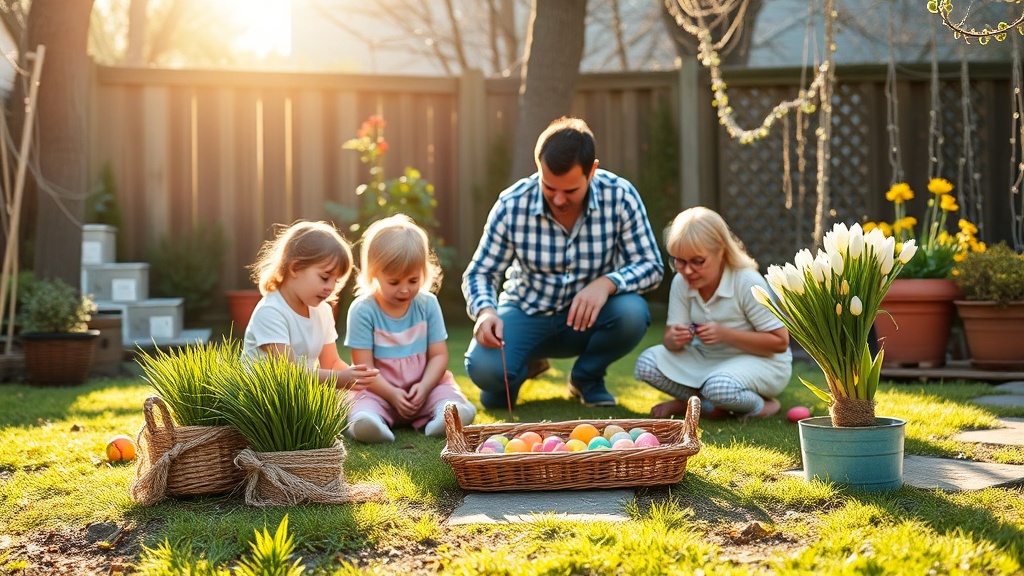
Eco‑Friendly Easter Celebration Ideas: Sustainable Decor, Plant‑Based Eggs & Outdoor Fun

Looking to celebrate Easter without drowning in plastic waste? This year, I’m sharing a no‑fluff, step‑by‑step plan that cuts the junk, keeps the kids busy, and actually looks good in the backyard.
Why does an eco‑friendly Easter matter?
Every year, the average family tosses over 300 pounds of plastic Easter decorations. That waste ends up in landfills just when the planet needs a break. If you’re tired of the same old throw‑away eggs and glitter, let’s change the game.
What sustainable decorations can I use that actually work?
First, ditch the plastic eggs and paper streamers. Here are three tried‑and‑true options that survive a backyard hunt:
- Reusable fabric eggs: Cut old pillowcases or cotton tote bags into egg shapes, stitch a zip, and fill them with treats. I used leftover denim from a work jacket and the kids loved the rugged look.
- Natural dye from vegetables: Boil beetroot, turmeric, or red cabbage for vibrant colors. No chemicals, and the dyes rinse out of the fabric easily.
- Upcycled basket décor: Repurpose wicker baskets from your garage or the local thrift store. Add fresh spring flowers or sprigs of rosemary for a scent that screams “outside”.
Need a visual reference? Check out our low‑cost biophilic design guide for more nature‑inspired décor ideas.
How can I replace traditional chocolate eggs with plant‑based alternatives?
Chocolate isn’t the problem; the packaging is. Choose bulk, plastic‑free options or make your own:
- Buy bulk, unwrapped cacao nibs: Mix with coconut oil and a dash of sea salt for a simple dark‑chocolate coating.
- Use silicone molds: Fill with the homemade chocolate and let set. No single‑use wrappers.
- Try plant‑based egg substitutes: Brands like The Good Food Institute list certified vegan egg products that melt and re‑harden, perfect for a quick bake.
These swaps shave off at least $5 per family and eliminate a pound of plastic waste.
What outdoor activities keep the Easter spirit alive while getting us moving?
Turn the egg hunt into a mini‑fitness circuit:
- Egg‑run relay: Split the kids into teams. Each member runs to a hidden egg, brings it back, and tags the next runner.
- Nature‑scavenger checklist: Include items like “a budding flower” or “a smooth stone” to encourage exploration.
- Garden‑work stations: Set up a small planting spot where kids can plant a seedling after the hunt. It’s a literal growth moment.
For a quick checklist of gear, see my urban gardening guide that lists budget‑friendly tools.
How do I pull it all together without turning my backyard into a DIY disaster?
Plan ahead:
- Make a material inventory: List fabrics, dyes, and reusable baskets you already own. Reusing what’s on hand cuts costs.
- Set up stations the night before: One for dyeing, one for filling eggs, and one for décor placement.
- Schedule a quick post‑hunt cleanup: Gather any leftover fabric scraps and compost organic waste.
By the time the sun rises on April 5, you’ll have a festive, low‑waste Easter that feels genuine—not a marketing stunt.
What’s the next step after Easter?
Carry the momentum into Earth Day on April 22. Repurpose the same baskets for a community clean‑up kit, or turn the leftover dye water into a natural garden fertilizer. The effort you put in now pays off twice.
Takeaway
Skip the disposable hype. Use reusable fabrics, plant‑based chocolate, and active outdoor games to give your family an Easter that’s fun, affordable, and kind to the planet. Your kids will remember the hunt, and the planet will thank you for the reduced waste.
Steps
- 1
Make a material inventory
List fabrics, dyes, and reusable baskets you already have to avoid extra purchases.
- 2
Set up stations the night before
Create separate areas for dyeing, filling eggs, and arranging décor for a smooth hunt.
- 3
Schedule a quick post‑hunt cleanup
Collect leftover fabric scraps and compost organic waste to finish the day responsibly.