
11 “Smart” Gadgets That Actually Earn Their Keep (And 3 That Don’t)

Smart Thermostats (The Quiet Cost Killers)
Robot Vacuums (When You Value Time Over Perfection)
Smart Plugs (The Simplest Automation That Works)
Mesh Wi-Fi Systems (Fix the Plumbing First)
Smart Leak Detectors (Insurance You Actually Control)
Smart Lighting (When It Replaces Behavior, Not Adds Steps)
Smart Locks (Access Control Without the Key Shuffle)
Dash Cams (Cheap Evidence in an Expensive System)
Portable Power Stations (Resilience, Not Camping Toys)
Smart Doorbells (Visibility at the Edge)
Air Quality Monitors (Invisible Problems, Measured)
Smart Fridges
AI-Powered Toothbrushes
Smart Water Bottles
Most "smart" gadgets fall into one of two buckets: expensive toys or expensive failure points. I’ve seen both play out on warehouse floors—where a $2 sensor can save a million-dollar delay, and a $20,000 system dies because the Wi-Fi drops behind a concrete wall.
So instead of chasing shiny features, let’s pull the thread on what actually holds up in the real world. These are devices that solve a problem you actually have—not ones invented to justify a funding round.
1. Smart Thermostats (The Quiet Cost Killers)
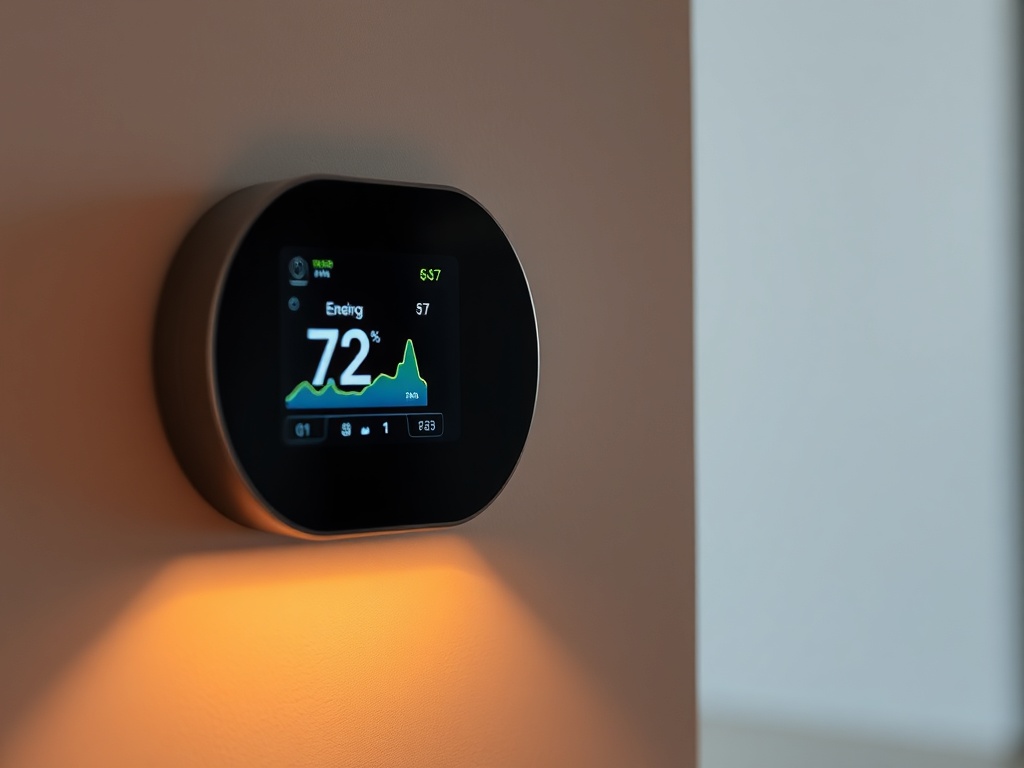
The reality? Heating and cooling is one of the biggest recurring costs in any building. A smart thermostat isn’t interesting because it connects to your phone—it’s useful because it manages load intelligently.
So what? If it trims even 10–15% off your energy bill consistently, it pays for itself within a year. That’s real utility—not a novelty.
2. Robot Vacuums (When You Value Time Over Perfection)
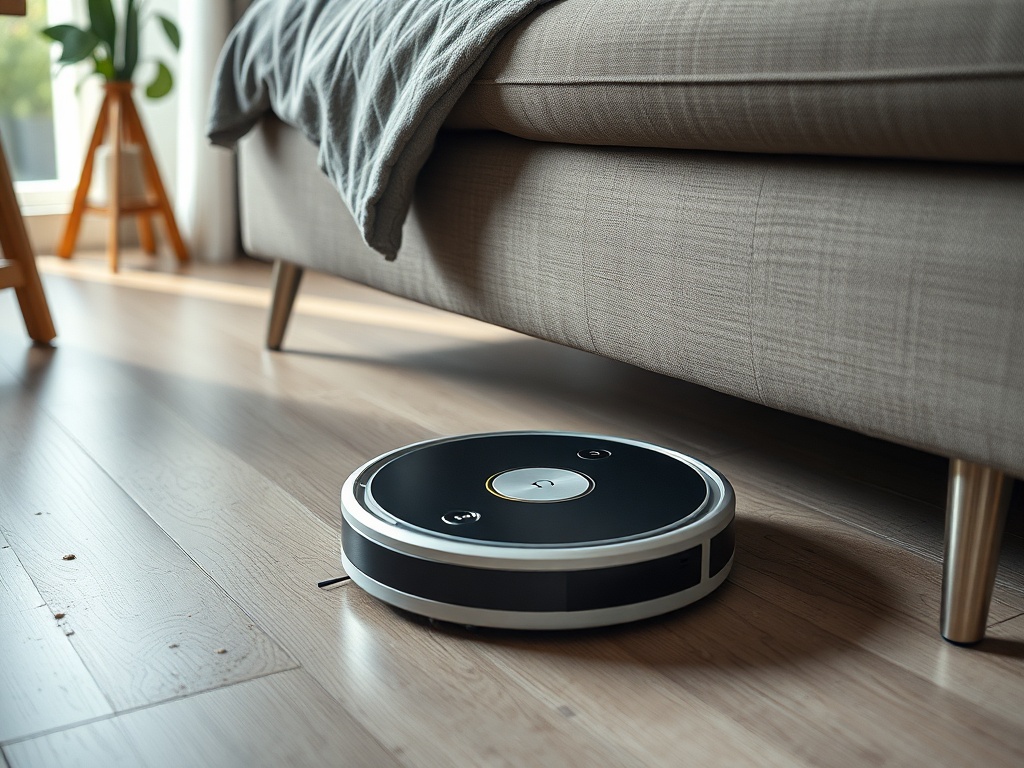
Are they perfect? No. They miss corners. They get stuck. But they reduce the frequency of manual cleaning—which is the real metric.
Think of it like a warehouse sweeper—it’s not about spotless floors, it’s about maintaining baseline cleanliness without human intervention.
3. Smart Plugs (The Simplest Automation That Works)
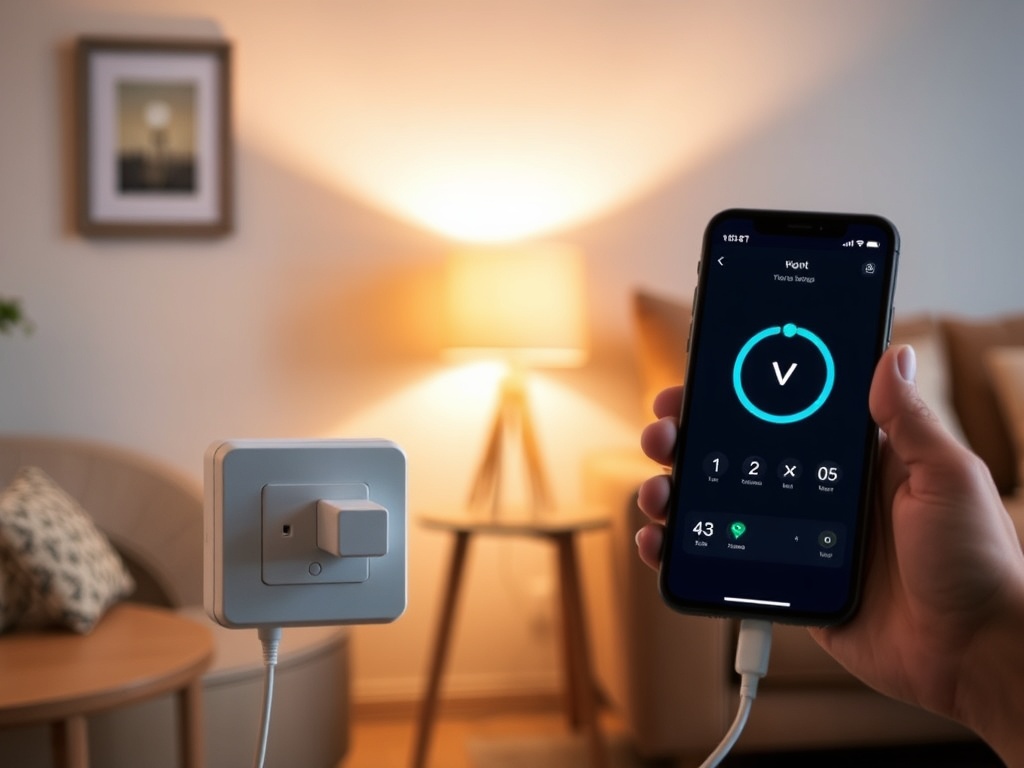
This is as close as consumer tech gets to "boring equals valuable." No AI hype, just scheduled power control.
Use case: Kill phantom energy draw. Automate lights. Restart frozen devices without crawling behind furniture.
4. Mesh Wi-Fi Systems (Fix the Plumbing First)

Before you buy any smart gadget, fix your network. Most "smart home failures" are just bad connectivity wearing a different costume.
The reality? Dead zones turn smart devices into dumb bricks.
5. Smart Leak Detectors (Insurance You Actually Control)
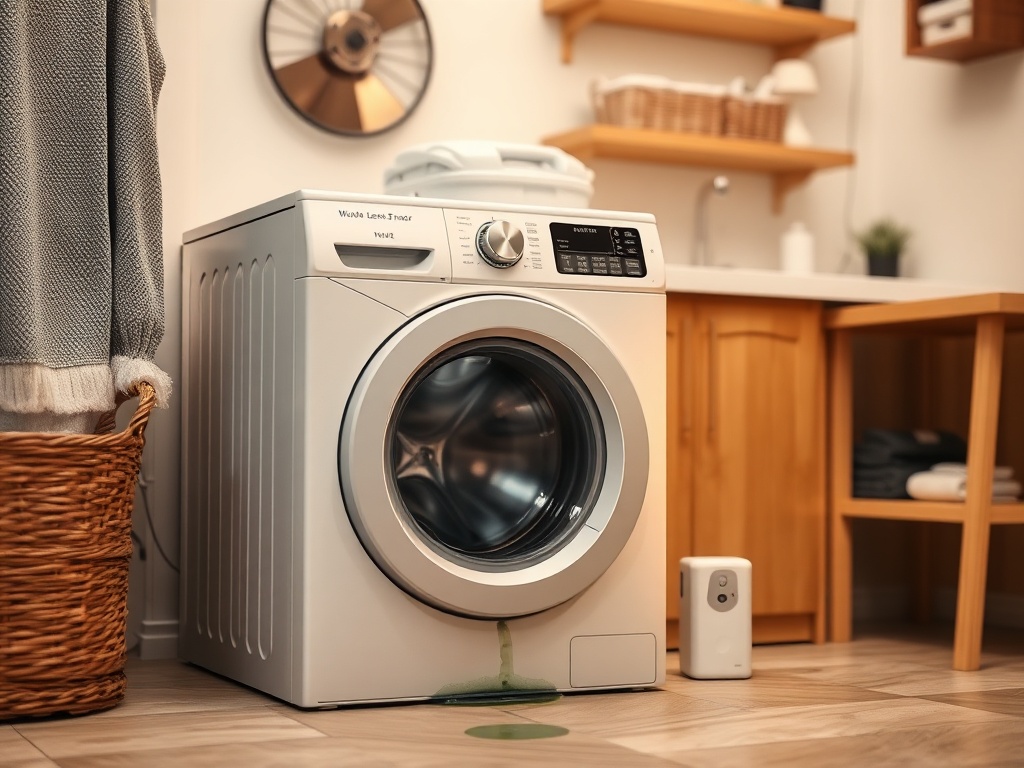
Water damage is expensive, fast, and usually invisible until it’s too late.
A $40 sensor that pings your phone the moment water hits the floor? That’s not convenience—that’s risk management.
6. Smart Lighting (When It Replaces Behavior, Not Adds Steps)

Lighting only makes sense when it removes friction—automatic schedules, motion triggers, or adaptive brightness.
If you’re still opening an app every time you turn on a light, you’ve built yourself a worse switch.
7. Smart Locks (Access Control Without the Key Shuffle)
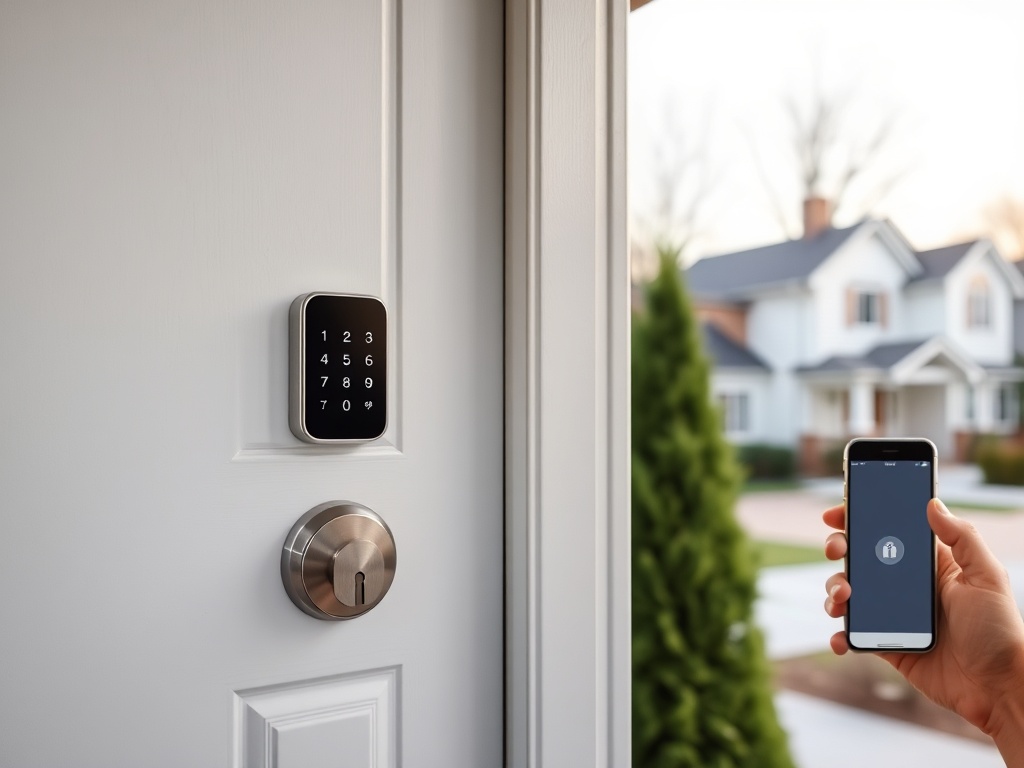
Key management is a logistics problem. Smart locks solve it cleanly.
So what? Temporary access, audit logs, no lost keys. That’s operational improvement—not just convenience.
8. Dash Cams (Cheap Evidence in an Expensive System)
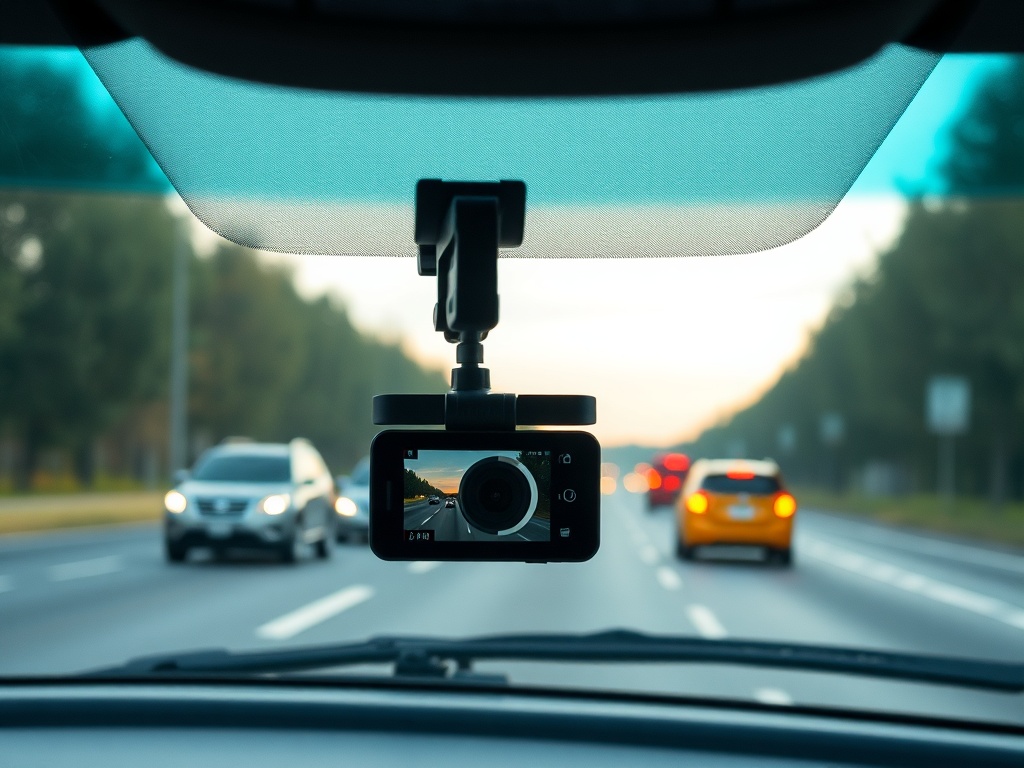
If you’ve ever dealt with insurance disputes, you know this already.
A dash cam turns "he said, she said" into video evidence. That alone justifies the cost.
9. Portable Power Stations (Resilience, Not Camping Toys)
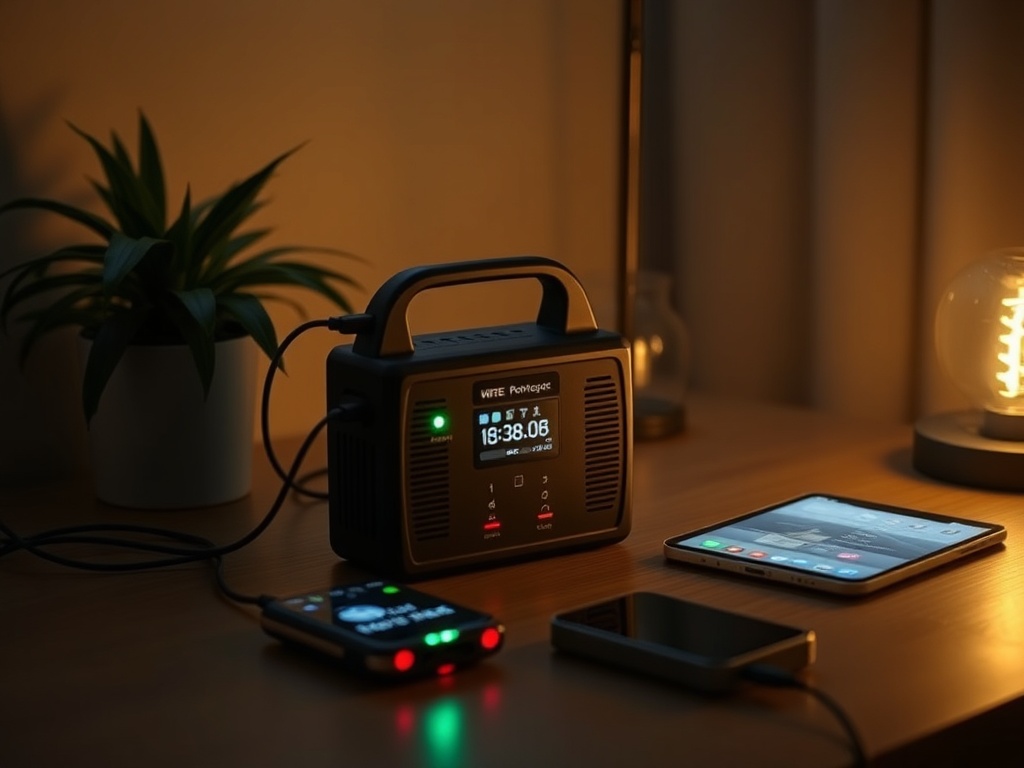
Power outages aren’t hypothetical—they’re increasing.
This isn’t about outdoor aesthetics. It’s about keeping critical devices running when the grid hiccups.
10. Smart Doorbells (Visibility at the Edge)
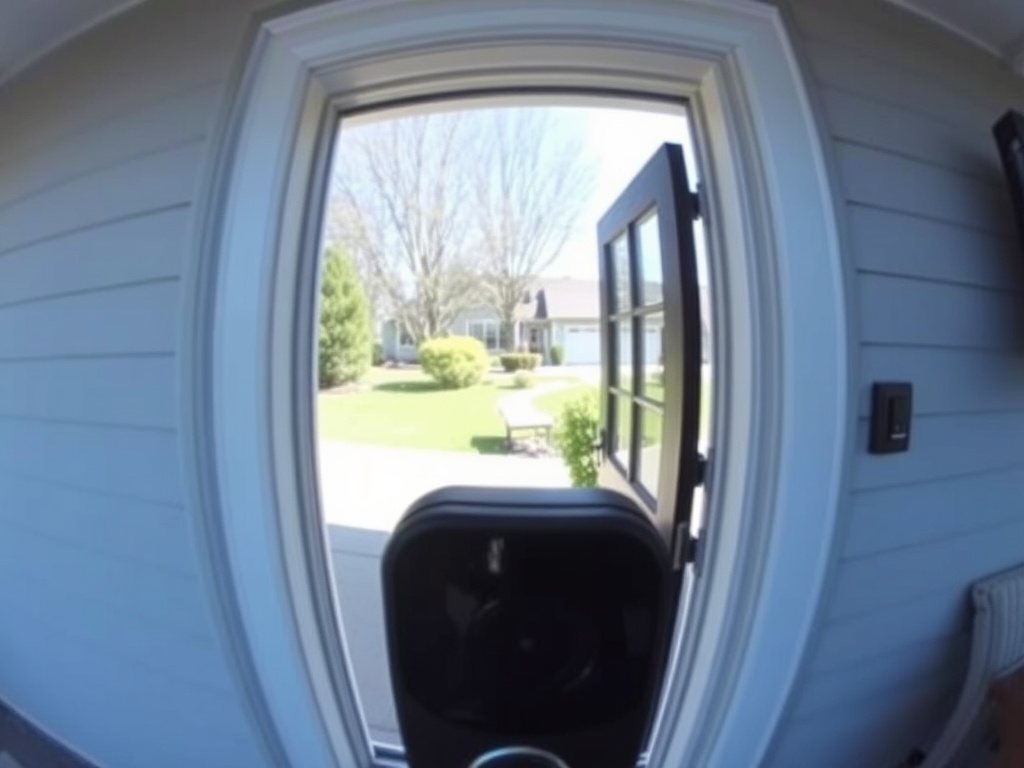
They’re often marketed as security theater, but the real value is visibility.
Packages, visitors, unexpected activity—you get a timestamped record without being home.
11. Air Quality Monitors (Invisible Problems, Measured)
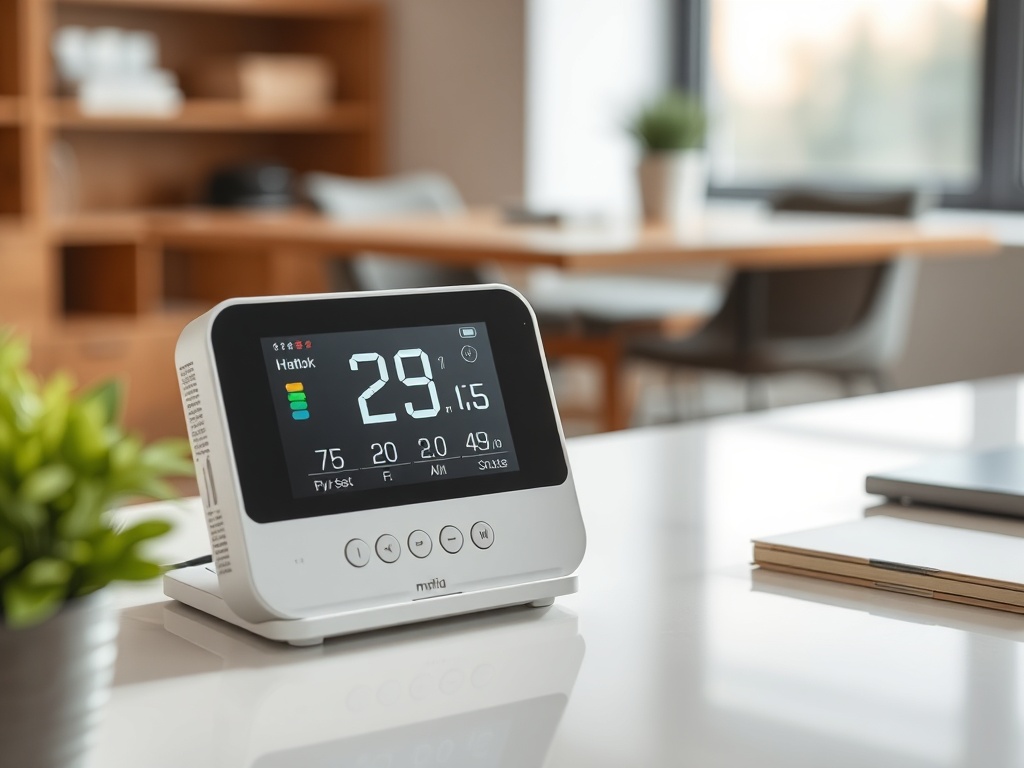
You can’t fix what you can’t measure. Indoor air quality impacts sleep, focus, and long-term health.
This is one of those "boring infrastructure" tools that quietly improves your environment.
And Now, The Ones That Don’t Earn Their Keep
Let’s be honest—some gadgets exist because they can, not because they should.
1. Smart Fridges

Adding a tablet to a fridge doesn’t solve a real problem. It adds cost, complexity, and a future repair headache.
2. AI-Powered Toothbrushes
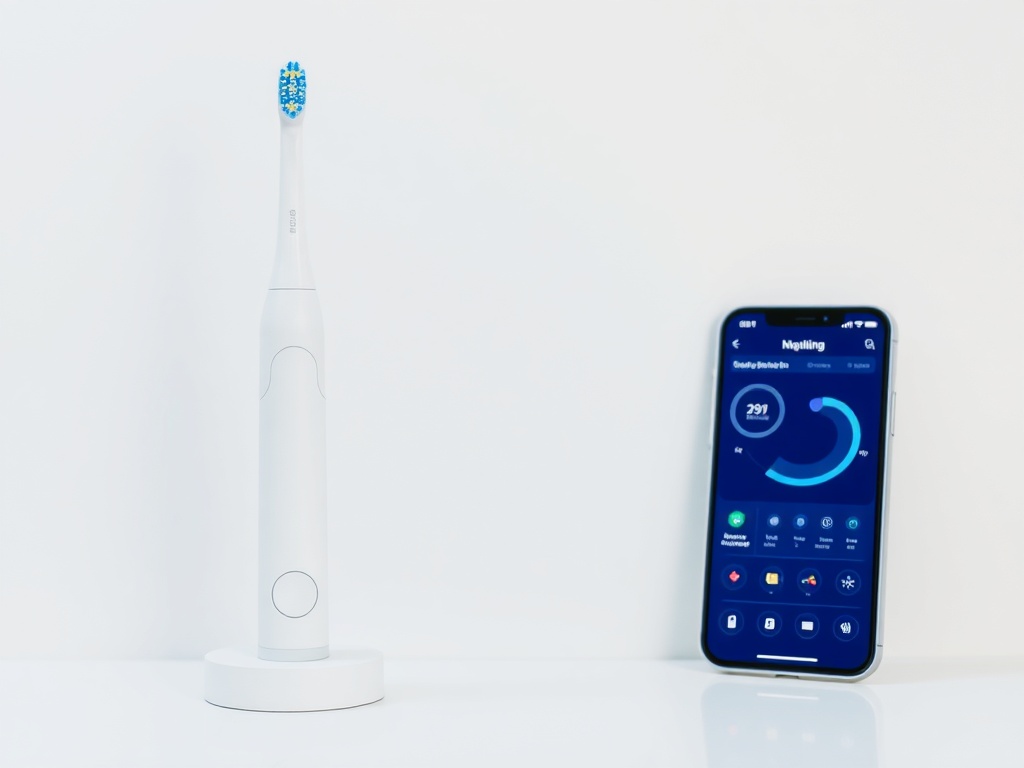
If you need AI to tell you to brush longer, the issue isn’t the toothbrush—it’s the habit.
3. Smart Water Bottles

Hydration reminders are useful. A $100 bottle to deliver them? That’s a solution looking for a problem.
The Impact Scorecard
Accessibility: 8/10 — Most of these are affordable and widely available.
Utility: 9/10 — The good ones solve real, recurring problems.
Longevity: 7/10 — Hardware ages, but the core use cases remain stable.
Final Thought: Follow the Incentive Structure
When evaluating any gadget, ask one question: who benefits if you buy this?
If the answer is "you save time, money, or risk"—it’s worth a look.
If the answer is "it looks impressive in a demo"—walk away.
Because the future isn’t built on flashy features. It’s built on tools that still work on a Tuesday morning when the Wi-Fi is struggling and nobody has time for a reboot.